

 EN
EN DE
DE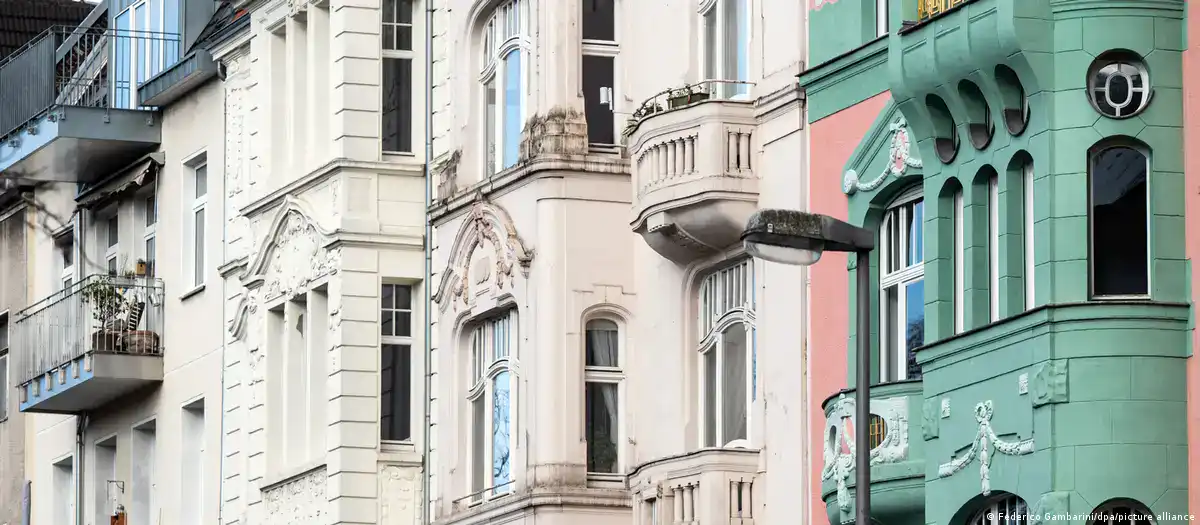
Image: Federico Gambarini/dpa/picture alliance
Rental prices in Germany’s major cities have skyrocketed by an average of 43% over the past ten years, according to data from the German Federal Ministry of Housing. Berlin has experienced the most dramatic increase, with average rents jumping from €9.02 per square meter in 2016 to €15.25 in 2025—a staggering 69% rise. Leipzig follows closely with a 67% increase, while Bremen and Duisburg saw rents climb by 46%, and Essen, Düsseldorf, and Hamburg recorded increases of 42-43%.
Munich remains Germany’s most expensive city for renters, commanding an average of €21.29 per square meter, though its 37% growth over the decade is relatively modest compared to other major cities. The data, provided in response to a parliamentary inquiry by Left Party MP Karin Lei, highlights the severe pressure on urban housing markets.
Lei described the rent growth as «explosive» and criticized the existing rent control legislation, known as the «Mietpreisbremse» (rent brake), which has been in effect since June 2015. The law caps rent increases in high-demand areas at 10% above the local average, but loopholes—such as furnished apartments and short-term rentals—significantly weaken its effectiveness, leaving tenants vulnerable to steep price hikes