
 EN
EN DE
DE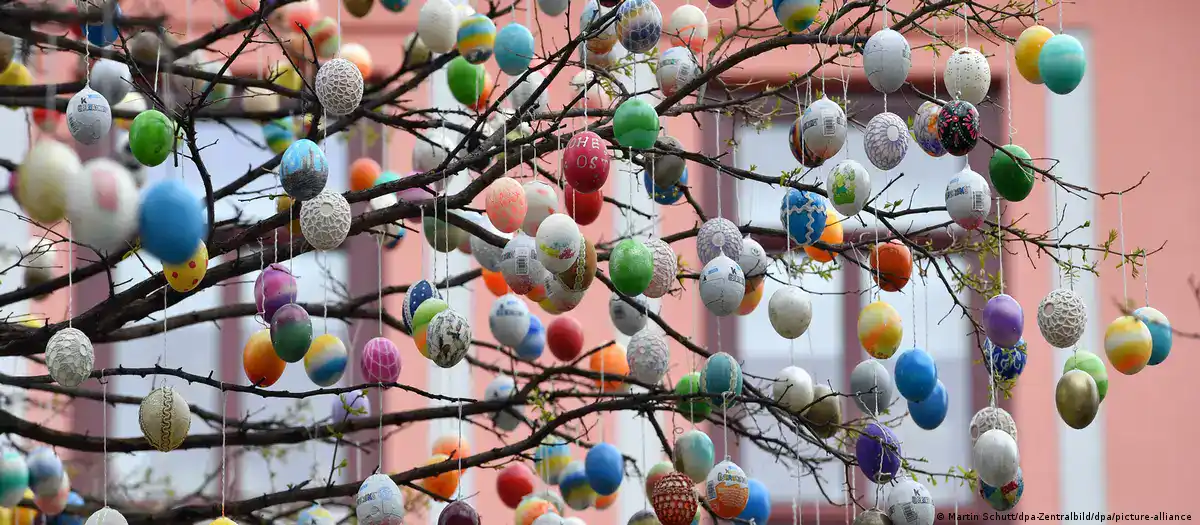
Germany celebrates Easter with a fascinating blend of ancient pagan rituals and Christian traditions. One of the most spectacular customs is the Osterräderlauf (Easter Wheel Run) in Lügde, North Rhine-Westphalia, where six massive oak wheels—each weighing up to 280 kg and stuffed with straw—are set on fire and rolled down a hill on Easter Sunday evening. This UNESCO-recognized tradition, documented since 784 AD when Charlemagne witnessed it, symbolizes the sun’s return and predicts the coming harvest. Thousands of visitors gather annually to watch the fiery wheels cascade down the Osterberg, followed by a fireworks display.
Another widespread tradition is the Osterfeuer (Easter bonfire), held on Holy Saturday or Easter Sunday across northern Germany. These fires originally served to drive away winter spirits and welcome spring, later adopting Christian symbolism as representations of Christ’s resurrection and the “light of the world.” Communities gather around towering bonfires for social evenings with food, drinks, and grilled specialties, creating a strong sense of togetherness after the long winter months.
Germans also embrace charming domestic traditions like the Ostereierbaum (Easter egg tree), where budding branches are decorated with hand-painted eggs, and Gründonnerstag (Green Thursday), when eating green foods like spinach and herbs symbolizes spring’s renewal. From the Easter Bunny delivering treats to children to regional specialties like Osterzopf (braided Easter bread), these customs reflect Germany’s rich cultural heritage and community spirit during the spring season.